The Table Is the Commons
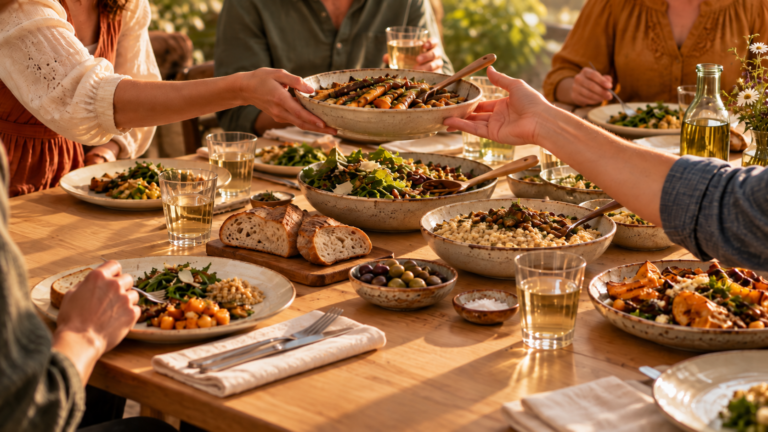
What a shared meal asks of the one who sets it down. A look at xenia, the Latin roots of community and hospitality, and why a dish offered with its full story is the courtesy a table was built on.
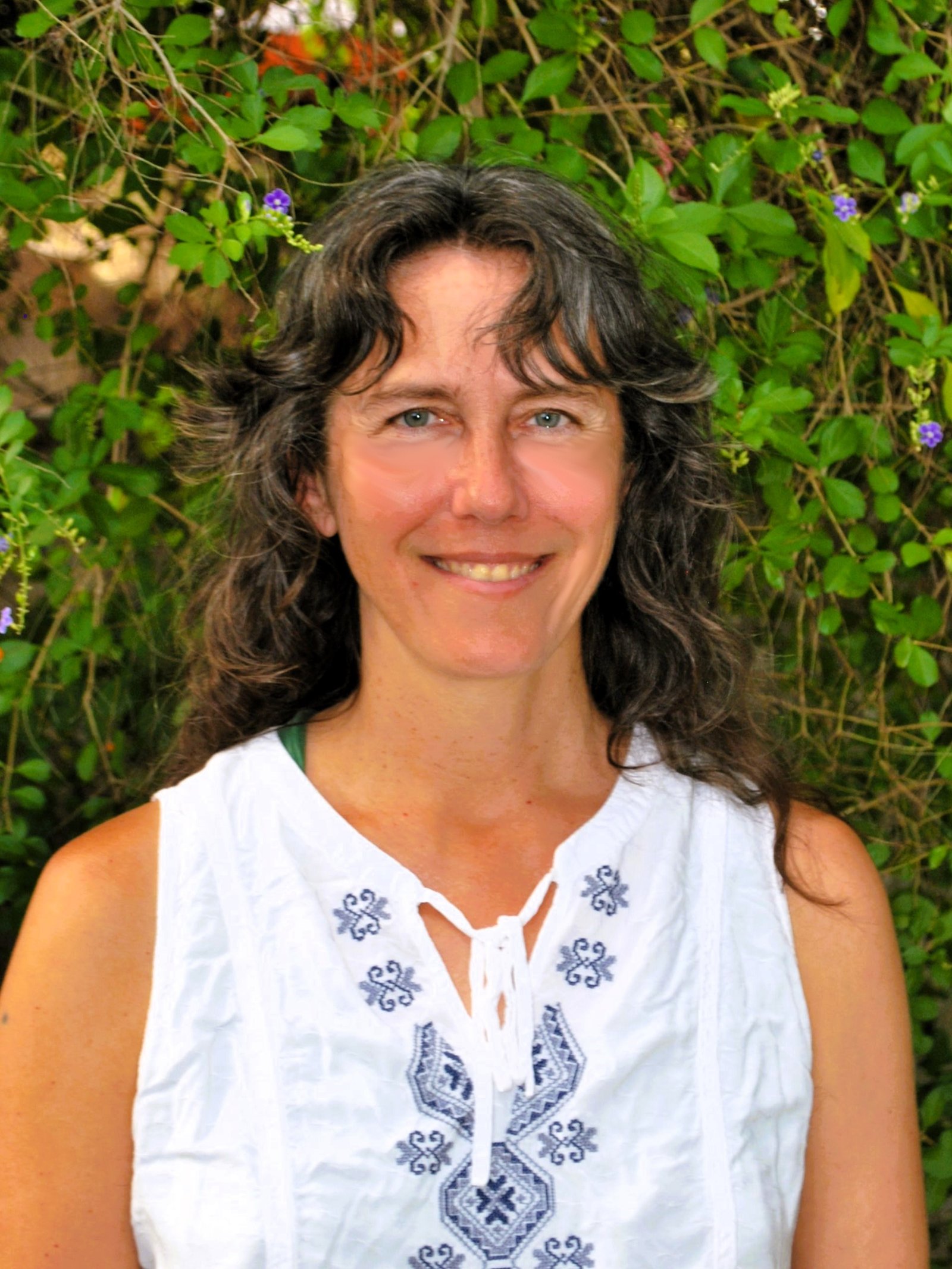
I was born and mostly raised in Texas, but life has taken me on quite a journey since then. After graduating high school, I attended college in Southeast Missouri, where I began a seven-year career at TG USA, a factory specializing in car body parts. I started in Quality Control, but eventually transitioned to Mold Technician in the Injection Molding department. There, I was responsible for programming, troubleshooting, and maintaining the machines and robots used in production.
In pursuit of deeper understanding, I studied Anthropology at Southeast Missouri State University for three years. However, my path took an unexpected turn when I had to leave school to escape an abusive relationship. This led me to the west coast of Washington, where I sought refuge on Lopez Island. I spent several years living off the land, growing my own food, milking cows, and creating clothing from organic and repurposed fabrics. This period of my life taught me the value of simplicity and sustainability, and it became the foundation for my ongoing commitment to living harmoniously with nature.
In 2011, I began studying permaculture, which influenced not only my gardening practices but also the way I structure my life. I was deeply involved in a community garden from 2007-2013, where I helped organize meetings, lead work parties, and design physical improvements to the garden. Around this time, I also began studying herbs for wellness, diving into the art of growing and using herbs for both health and culinary purposes. This ongoing self-guided study has become an integral part of my life.
One of my most notable accomplishments was helping to make San Juan County, Washington, legally GMO-free in 2012. As part of a team, I educated locals at farmers markets, built a website, and shared resources to raise awareness about the dangers of genetically engineered crops. It was an incredibly rewarding experience to see our collective efforts lead to such a meaningful change.
In 2013, I purchased a home within the Lopez Community Land Trust, only to discover that it was riddled with mold due to poor construction. Despite the builders' legal safeguards, the homes were making people sick. After selling the house in 2015, my partner Peter, our son, and I set out on a journey across the Western United States. We traveled through Washington, Oregon, California, Arizona, New Mexico, Colorado, and Utah, meeting fascinating people and gathering countless stories along the way.
In 2016, I began exploring the healing potential of frequency, and this study is still ongoing. I’ve also spent several years living in Nevada County, California, from 2018 to 2024, where I came to understand the weight of spiritual warfare and the importance of resilience. Those years were challenging, but they also deepened my personal and spiritual growth, and provided me with more stories to tell.
Through it all, my journey has been one of constant learning, self-discovery, and a commitment to living authentically. I continue to explore new ways of healing, of connecting with nature, and of sharing these experiences with others.
What a shared meal asks of the one who sets it down. A look at xenia, the Latin roots of community and hospitality, and why a dish offered with its full story is the courtesy a table was built on.
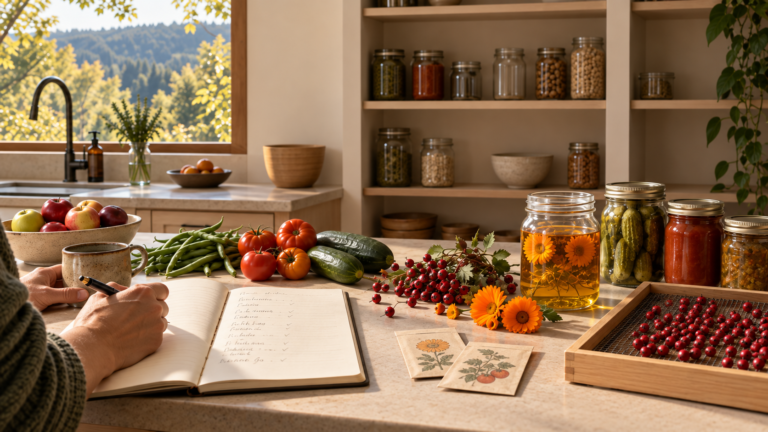
The Irish word for September means the middle of the harvest, and October means its end. The autumn equinox was never a starting gun. It was a measuring point, and the measurement it asks for is narrower than the one we enjoy taking all summer: how much of what grew will still be food in February? Egypt measured its water in cubits. The rats measured theirs this week.
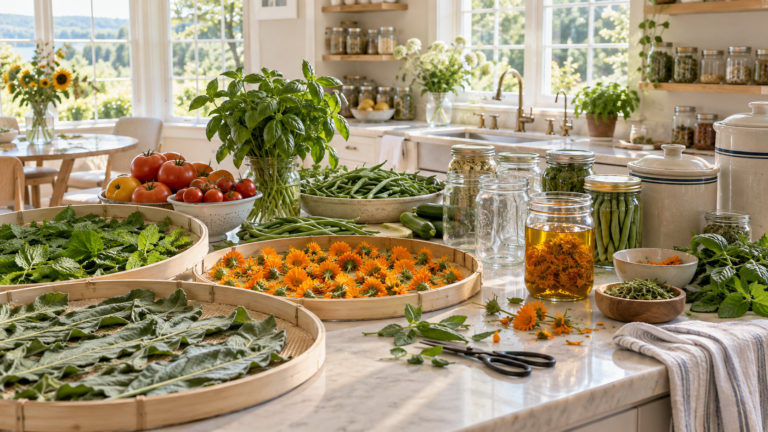
Poverty consciousness has become shorthand for anything that isn't spent immediately, but watch how people who actually handle money well behave and the picture flips. This piece works through a real garden and a real disagreement to land on three distinct states: hoarding, reactive spending, and stewardship. Setting something aside for the season ahead is what stewardship actually looks like.
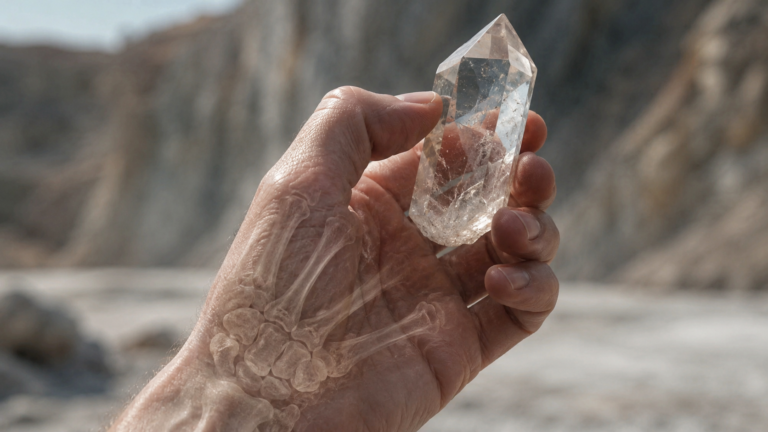
People pray against crystal use without ever opening the word occult to see what it actually means: hidden, not evil. This piece traces that word back to its root, then goes further ~ into the piezoelectric physics your own skeleton runs on, the same principle that makes quartz keep time in a watch. The demonic accusation misses the actual hidden thing entirely.
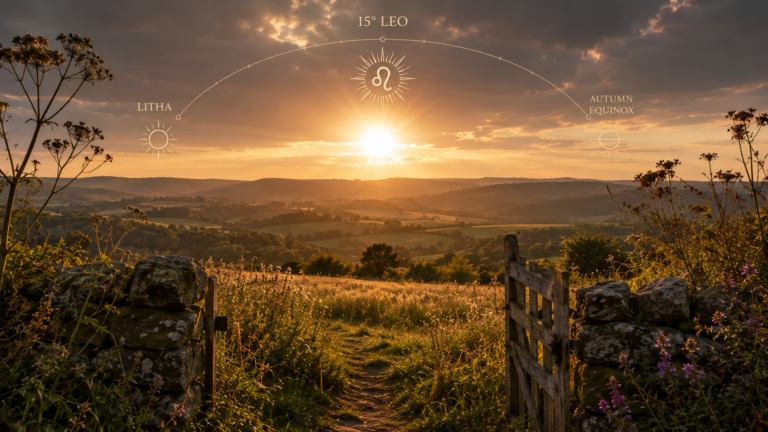
Lughnasadh was never pinned to a single day. It was a window: astronomical, lunar, and shared by peoples who never met each other. This piece traces the threshold from a fragmented bronze calendar in Gaulish France through Irish myth, Welsh continuity, Greek and Egyptian parallels, and the Haudenosaunee Green Corn Ceremony ~ toward what got hidden, and what it actually meant to name a harvest together.
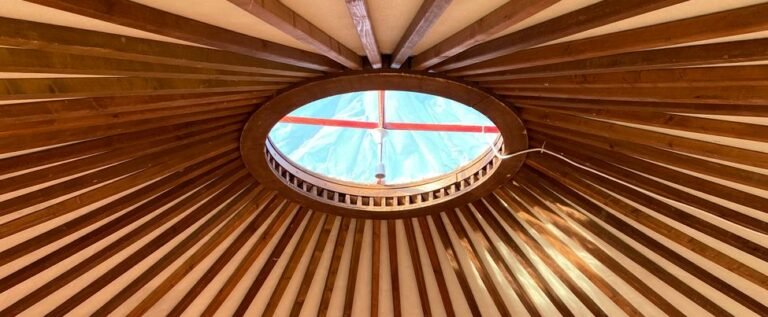
The conversation started with tipis and yurts ~ the structures that surface in the fantasy of living close to the land. Having lived in both, I want to say something plainly: they are not romantic to live in. More importantly, the idea that nature is somewhere you have to go to find misses something essential. You have never left it. The question is what kind of relationship you are building with what is already here.
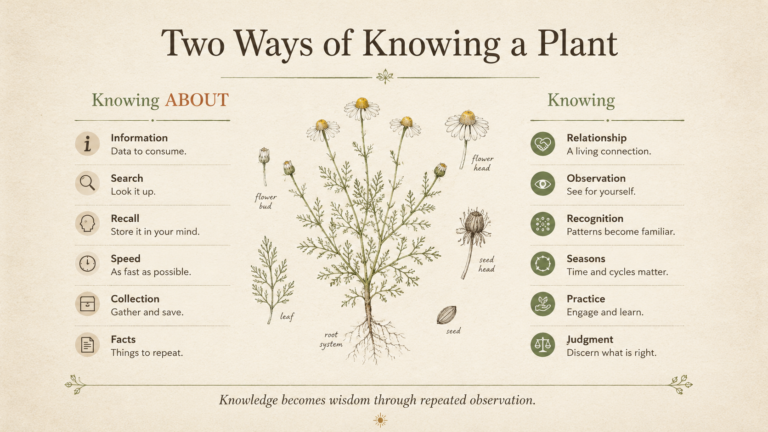
here's a version of chamomile that lives on the internet ~ fourteen seconds, soft light, a caption calling it nature's Xanax. Everyone walks away knowing something about chamomile. Almost nobody walks away knowing chamomile. That gap between information and real botanical knowledge isn't small, and the culture we live inside profits from keeping it blurry. Here's what actually separates a fact you can repeat from a relationship you can draw on when it counts.
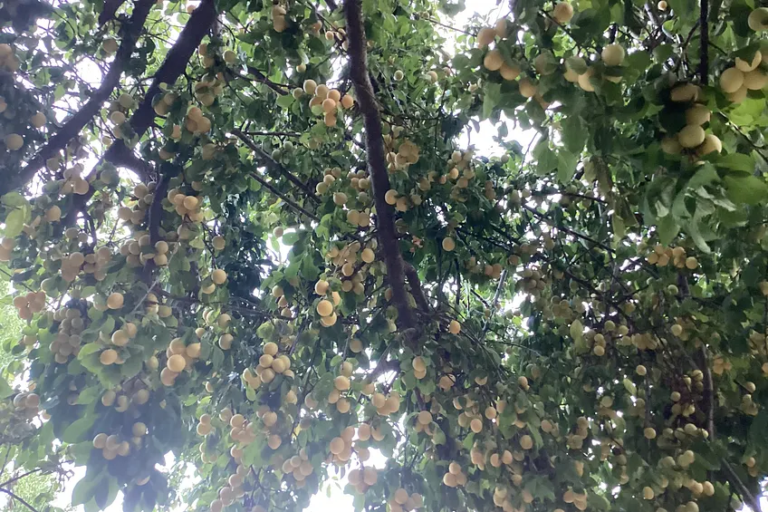
The Summer Solstice already happened ~ and most people missed the turn entirely. This threshold marks something our culture handles badly: the moment when abundance reaches its peak and the direction reverses. Discover the functional logic behind Midsummer fire traditions, why the longest day is never the hottest, what burning wheels rolled downhill actually meant, and how traditional societies responded to the abundance they couldn't consume.
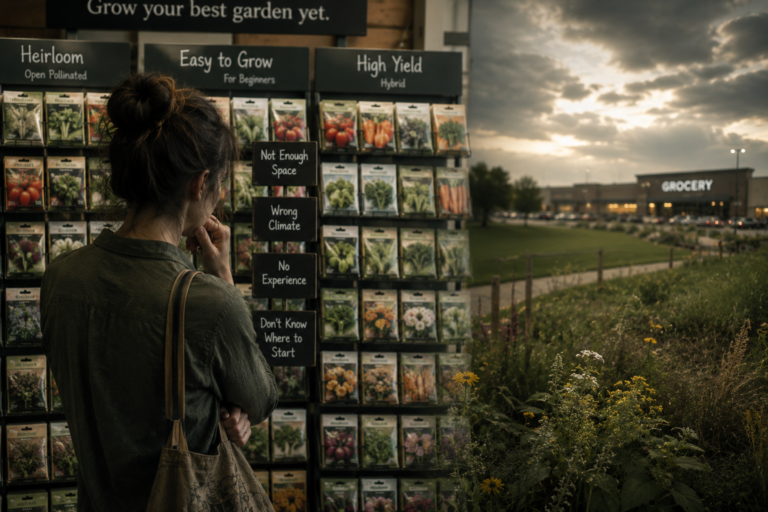
The seed you buy has a story written into it. Whether it reproduces true to type, whether you can save it, whether it belongs to you indefinitely or just for one season ~ these are not minor details. They are sovereignty. Open-pollinated varieties can be saved. Hybrids cannot. Landraces belong to place. Patents belong to corporations. Understanding the difference changes what you plant and why.
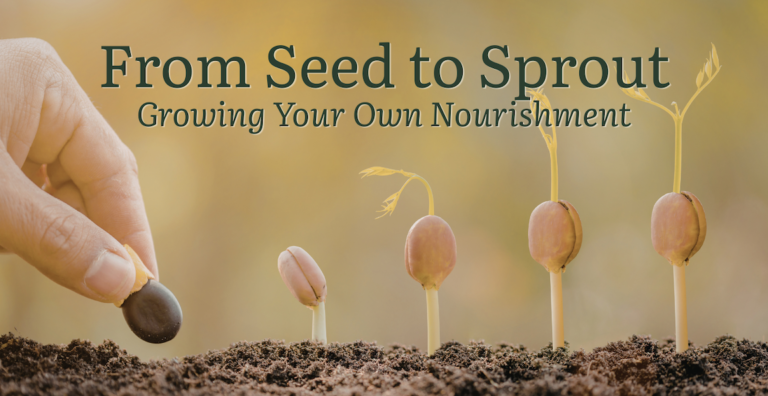
You don't require a farm to grow food. Just a container, four hours of light, and permission you give yourself. Growing food is what humans do. The knowledge lives in your body whether or not you've practiced it yet. Learn why soil biology matters, which heirloom varieties to start with, and how one plant teaches more than a hundred books.