Marama Elizabeth

Marama Elizabeth

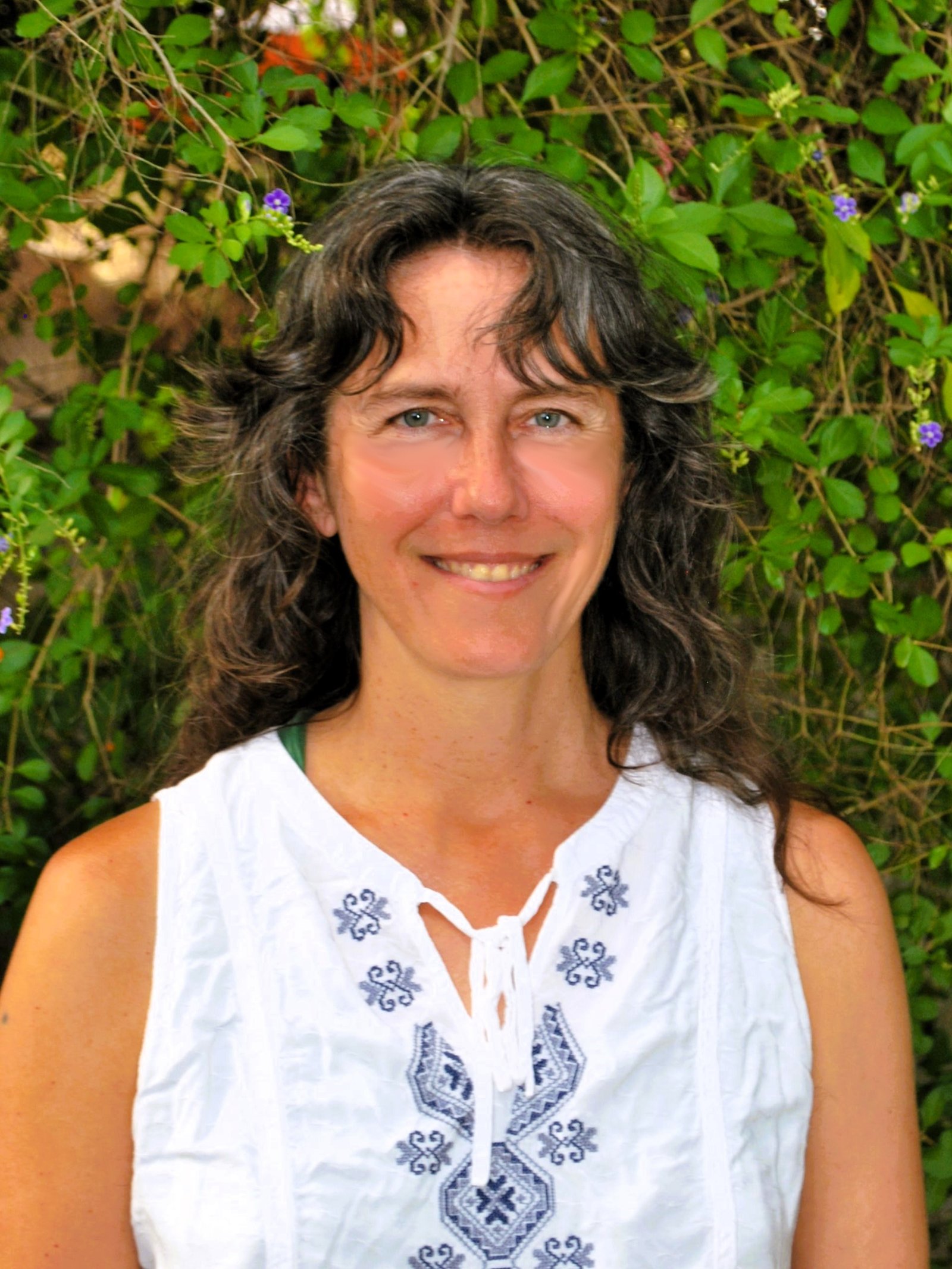
I was born and mostly raised in Texas, but life has taken me on quite a journey since then. After graduating high school, I attended college in Southeast Missouri, where I began a seven-year career at TG USA, a factory specializing in car body parts. I started in Quality Control, but eventually transitioned to Mold Technician in the Injection Molding department. There, I was responsible for programming, troubleshooting, and maintaining the machines and robots used in production.

In pursuit of deeper understanding, I studied Anthropology at Southeast Missouri State University for three years. However, my path took an unexpected turn when I had to leave school to escape an abusive relationship. This led me to the west coast of Washington, where I sought refuge on Lopez Island. I spent several years living off the land, growing my own food, milking cows, and creating clothing from organic and repurposed fabrics. This period of my life taught me the value of simplicity and sustainability, and it became the foundation for my ongoing commitment to living harmoniously with nature.

In 2011, I began studying permaculture, which influenced not only my gardening practices but also the way I structure my life. I was deeply involved in a community garden from 2007-2013, where I helped organize meetings, lead work parties, and design physical improvements to the garden. Around this time, I also began studying herbs for wellness, diving into the art of growing and using herbs for both health and culinary purposes. This ongoing self-guided study has become an integral part of my life.

One of my most notable accomplishments was helping to make San Juan County, Washington, legally GMO-free in 2012. As part of a team, I educated locals at farmers markets, built a website, and shared resources to raise awareness about the dangers of genetically engineered crops. It was an incredibly rewarding experience to see our collective efforts lead to such a meaningful change.

In 2013, I purchased a home within the Lopez Community Land Trust, only to discover that it was riddled with mold due to poor construction. Despite the builders' legal safeguards, the homes were making people sick. After selling the house in 2015, my partner Peter, our son, and I set out on a journey across the Western United States. We traveled through Washington, Oregon, California, Arizona, New Mexico, Colorado, and Utah, meeting fascinating people and gathering countless stories along the way.

In 2016, I began exploring the healing potential of frequency, and this study is still ongoing. I’ve also spent several years living in Nevada County, California, from 2018 to 2024, where I came to understand the weight of spiritual warfare and the importance of resilience. Those years were challenging, but they also deepened my personal and spiritual growth, and provided me with more stories to tell.

Through it all, my journey has been one of constant learning, self-discovery, and a commitment to living authentically. I continue to explore new ways of healing, of connecting with nature, and of sharing these experiences with others.

When European New Year Followed the Land, Not the Calendar

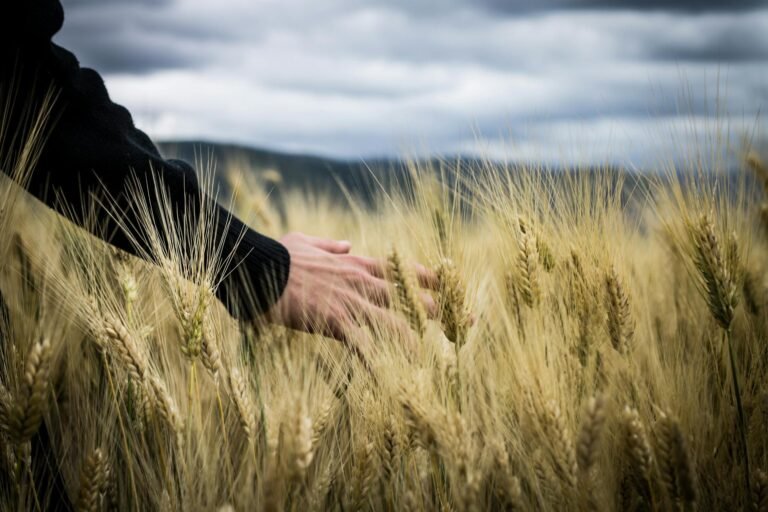
photo of a person s hand touching wheat grass

Discover why European New Year wasn't always January 1st. Before imperial standardization, Slavic and Northern European cultures marked renewal through spring thaw, agricultural cycles, and solar festivals. Learn why September through December are numbered wrong, how Russia's New Year moved three times, and what we lost when administrative convenience replaced ecological observation in European timekeeping traditions.

Time Without Numbers

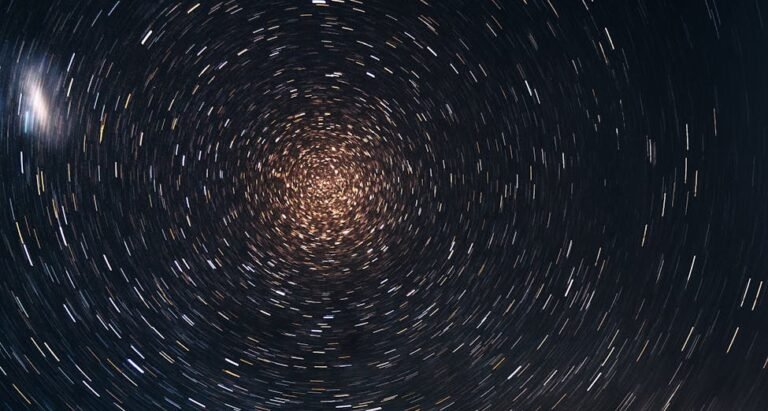
a starry night sky

Discover how African cultures measure time through events, seasons, and relationships rather than dates and numbers. Explore event-based time, the Ethiopian calendar still in use today, and how ancient Egypt anchored precise calendars to ecological reality. Learn why colonial imposition of clock-time disrupted sophisticated Indigenous knowledge systems and what we can reclaim from relational timekeeping.

When Time Was Measured in Sacred Cycles, Not Seconds

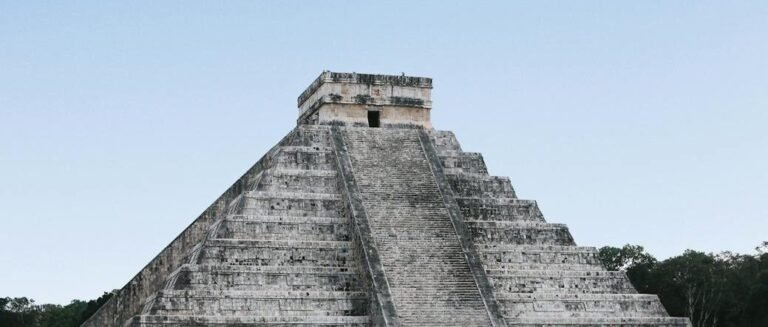
chichen itza pyramid

Discover how the Maya, Aztec, and other Mesoamerican civilizations used multiple interlocking calendars to track sacred, agricultural, and cosmic time spanning millions of years. Learn why the 2012 "apocalypse" was misunderstood, how pyramids functioned as astronomical instruments, and what these sophisticated calendar systems reveal about cyclical time versus our linear calendar paradigm.

🌙 “When the Moon Tells Time” Song 🌙

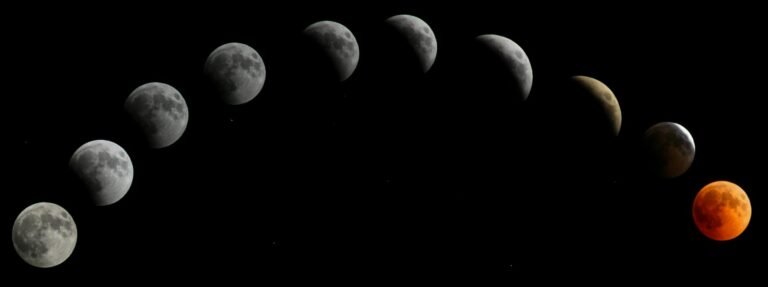
timelapse photography of moon

Explore the profound connection between timekeeping and lunar observation in "When the Moon Tells Time." This song, part of the Sacred Cycles Series, reveals how cultures across Asia measure time through the moon, promoting a sophisticated understanding of cycles rooted in nature.

PART 2: LUNAR TIME AND SACRED CYCLES

full moon in clear night sky with bare tree

Discover why Chinese New Year changes dates annually and how lunisolar calendars in India and East Asia track time through observed celestial cycles rather than fixed dates. Learn why these ancient systems accommodate regional differences and hemispheric realities better than modern calendars. And, how you can reclaim responsive timekeeping in your own life by following the moon and local seasons.

Many New Years: Remembering Time Before January 1st

ornamented clock with figurines on wall

January 1st isn't rooted in nature's rhythms or cosmic cycles; it's an administrative agreement that demands the same thing from opposite hemispheres. Knowing this frees us from forcing transformation when dormancy is wisdom, or planning when presence is needed. The new year doesn't begin when calendars say it does. It begins when you're actually ready, and when the earth beneath your feet agrees.

The Red Mushroom, the Winter Solstice, and the Light of the World

Fly Agric.(Amanita muscaria). their distinctive

Discover how Christmas traditions converge ancient shamanic plant mysticism, winter solstice rituals, and Christian theology. From the red Amanita muscaria mushroom beneath evergreen trees to flying reindeer and gift-giving shamans, explore the surprising origins of modern holiday symbols ~ not as conspiracy, but as humanity's shared longing for light, transformation, and renewal during the darkest season.

Why I Chose Skool to Build Real Online Communities

silhouette of people during golden hour

Discover why Skool stands out as a platform for building authentic online communities. Unlike fragmented Facebook groups or complicated LMS systems, Skool integrates discussion, courses, and engagement in one distraction-free space. Learn how this platform supports real connection, meaningful learning, and long-term community cultivation for creators and members alike.

Composting 101: Closing the Loop Between Your Kitchen and the Living Earth

vegetables on the soil

Discover how composting transforms kitchen scraps into living soil while reconnecting you to nature's most fundamental cycle. Whether you're in an apartment or on acreage, learn three simple methods to begin composting without pests or odors. This guide reveals composting as more than waste reduction; it's a doorway into understanding how natural systems create abundance from what we've been taught to discard.