Category Cultural Analysis & Society

When European New Year Followed the Land, Not the Calendar

photo of a person s hand touching wheat grass

Discover why European New Year wasn't always January 1st. Before imperial standardization, Slavic and Northern European cultures marked renewal through spring thaw, agricultural cycles, and solar festivals. Learn why September through December are numbered wrong, how Russia's New Year moved three times, and what we lost when administrative convenience replaced ecological observation in European timekeeping traditions.

When Time Was Measured in Sacred Cycles, Not Seconds

chichen itza pyramid

Discover how the Maya, Aztec, and other Mesoamerican civilizations used multiple interlocking calendars to track sacred, agricultural, and cosmic time spanning millions of years. Learn why the 2012 "apocalypse" was misunderstood, how pyramids functioned as astronomical instruments, and what these sophisticated calendar systems reveal about cyclical time versus our linear calendar paradigm.

Many New Years: Remembering Time Before January 1st

ornamented clock with figurines on wall

January 1st isn't rooted in nature's rhythms or cosmic cycles; it's an administrative agreement that demands the same thing from opposite hemispheres. Knowing this frees us from forcing transformation when dormancy is wisdom, or planning when presence is needed. The new year doesn't begin when calendars say it does. It begins when you're actually ready, and when the earth beneath your feet agrees.

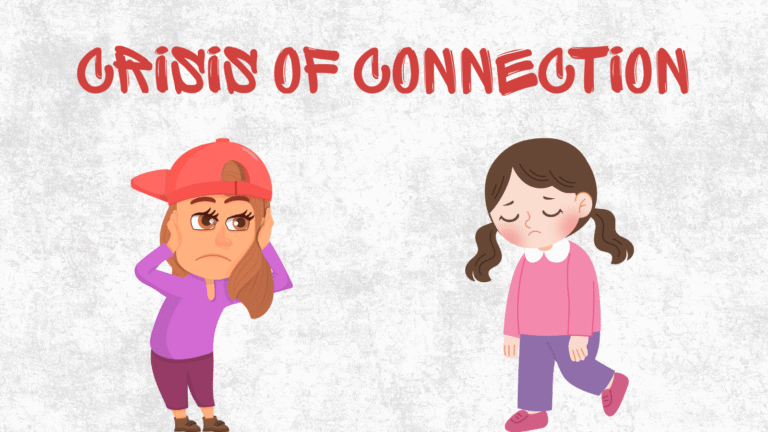
When Did We Stop Listening? The Crisis of Connection in Modern Society

We've reached a cultural tipping point where struggling has become socially unacceptable. When honest sharing gets labeled "trauma dumping" and people abandon friends going through hard times, we create isolation feedback loops. From homelessness to spiritual bypassing, these disconnected issues reveal one truth: we've built a society that punishes authenticity and rewards performance.

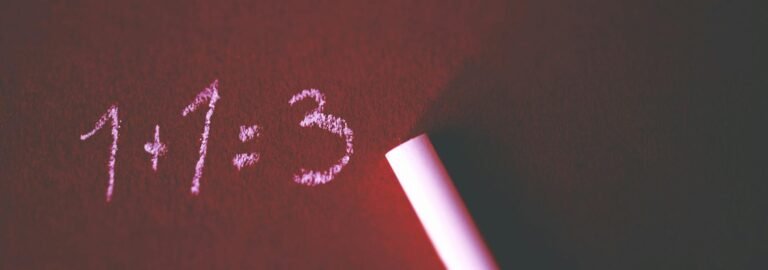
The Mathematics of Fair Wages: Why $25/Hour Should Be Today’s Minimum (And What Happens When We Ignore Basic Math)

pexels-photo-374916.jpeg

When we strip away politics and emotions, basic mathematics reveals a stark reality: federal minimum wage should be $24-25/hour today based on cost-of-living increases since 2009. Skilled labor should start at $40/hour minimum. Ignoring this math creates cascading system failures affecting workers, businesses, and entire communities. The numbers don't lie.

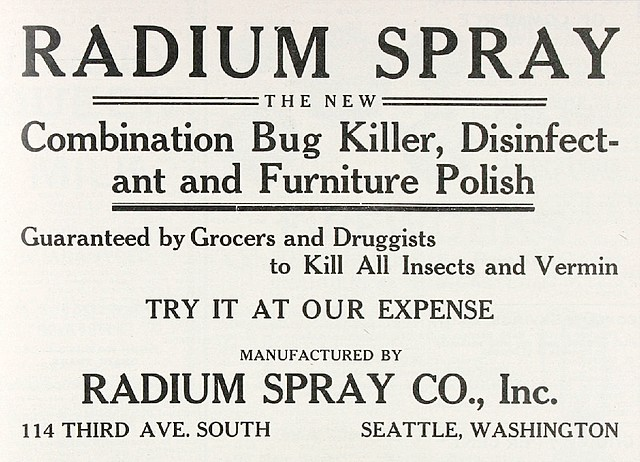
The Hidden Pesticide Dangers Poisoning Your Home (+ Safe Alternatives)

What if protecting your home is actually poisoning it? We've normalized industrial chemicals in living spaces while obsessing over organic coffee beans. From a systems perspective, in-home pesticide use represents the most widespread form of self-harm in modern society. It's time we examined why.

Dangling Questions

What has happened to our world? It is a question on many peoples minds. As we explore the past and present to see the truth of it all, we can find ways to prevail over the efforts of evil and create a eudaimonious future for all.

The Hidden Architecture of Human Flourishing

Fisher's Hall

That nagging sense something fundamental has shifted in our world isn't imagination—it's anthropological evidence of systematic social unraveling. But ancient Greek wisdom reveals the hidden architecture of human flourishing, showing how understanding these deeper patterns transforms chaos into conscious choice, individual healing into collective transformation.