Category Cultural Traditions

When European New Year Followed the Land, Not the Calendar

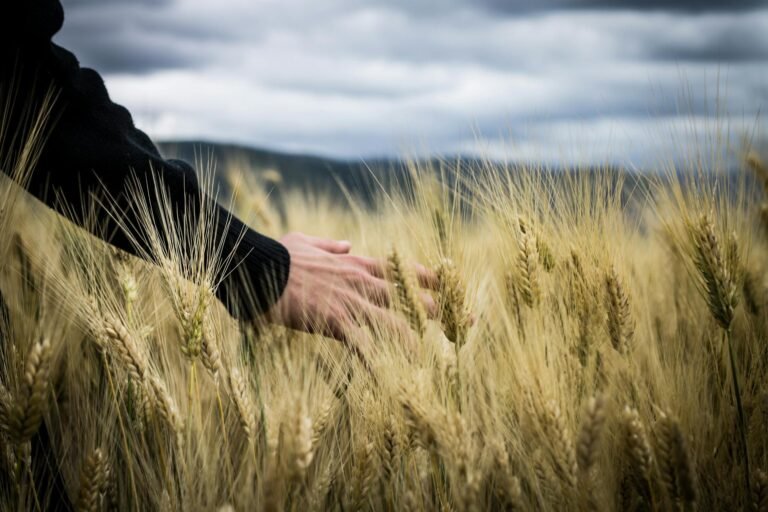
photo of a person s hand touching wheat grass

Discover why European New Year wasn't always January 1st. Before imperial standardization, Slavic and Northern European cultures marked renewal through spring thaw, agricultural cycles, and solar festivals. Learn why September through December are numbered wrong, how Russia's New Year moved three times, and what we lost when administrative convenience replaced ecological observation in European timekeeping traditions.

When Time Was Measured in Sacred Cycles, Not Seconds

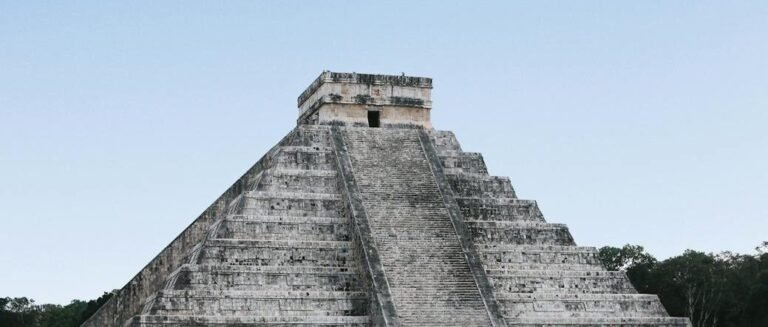
chichen itza pyramid

Discover how the Maya, Aztec, and other Mesoamerican civilizations used multiple interlocking calendars to track sacred, agricultural, and cosmic time spanning millions of years. Learn why the 2012 "apocalypse" was misunderstood, how pyramids functioned as astronomical instruments, and what these sophisticated calendar systems reveal about cyclical time versus our linear calendar paradigm.

PART 2: LUNAR TIME AND SACRED CYCLES

full moon in clear night sky with bare tree

Discover why Chinese New Year changes dates annually and how lunisolar calendars in India and East Asia track time through observed celestial cycles rather than fixed dates. Learn why these ancient systems accommodate regional differences and hemispheric realities better than modern calendars. And, how you can reclaim responsive timekeeping in your own life by following the moon and local seasons.

Many New Years: Remembering Time Before January 1st

ornamented clock with figurines on wall

January 1st isn't rooted in nature's rhythms or cosmic cycles; it's an administrative agreement that demands the same thing from opposite hemispheres. Knowing this frees us from forcing transformation when dormancy is wisdom, or planning when presence is needed. The new year doesn't begin when calendars say it does. It begins when you're actually ready, and when the earth beneath your feet agrees.

The Red Mushroom, the Winter Solstice, and the Light of the World

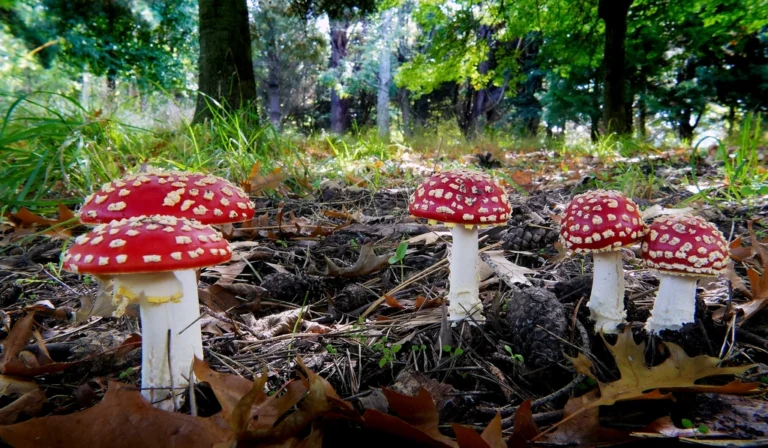
Fly Agric.(Amanita muscaria). their distinctive

Discover how Christmas traditions converge ancient shamanic plant mysticism, winter solstice rituals, and Christian theology. From the red Amanita muscaria mushroom beneath evergreen trees to flying reindeer and gift-giving shamans, explore the surprising origins of modern holiday symbols ~ not as conspiracy, but as humanity's shared longing for light, transformation, and renewal during the darkest season.