Category Ancient Civilizations & Timekeeping

When European New Year Followed the Land, Not the Calendar

photo of a person s hand touching wheat grass

Discover why European New Year wasn't always January 1st. Before imperial standardization, Slavic and Northern European cultures marked renewal through spring thaw, agricultural cycles, and solar festivals. Learn why September through December are numbered wrong, how Russia's New Year moved three times, and what we lost when administrative convenience replaced ecological observation in European timekeeping traditions.

Time Without Numbers

a starry night sky

Discover how African cultures measure time through events, seasons, and relationships rather than dates and numbers. Explore event-based time, the Ethiopian calendar still in use today, and how ancient Egypt anchored precise calendars to ecological reality. Learn why colonial imposition of clock-time disrupted sophisticated Indigenous knowledge systems and what we can reclaim from relational timekeeping.

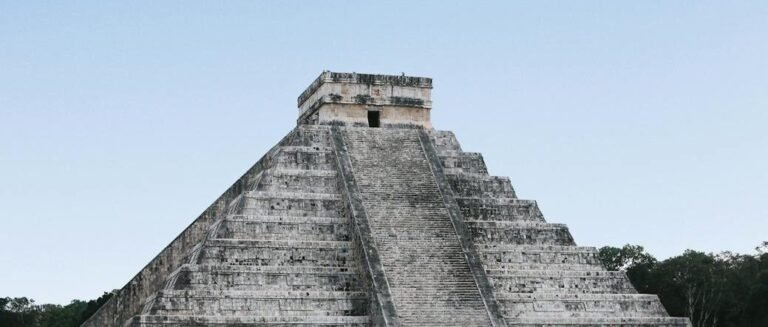
When Time Was Measured in Sacred Cycles, Not Seconds

chichen itza pyramid

Discover how the Maya, Aztec, and other Mesoamerican civilizations used multiple interlocking calendars to track sacred, agricultural, and cosmic time spanning millions of years. Learn why the 2012 "apocalypse" was misunderstood, how pyramids functioned as astronomical instruments, and what these sophisticated calendar systems reveal about cyclical time versus our linear calendar paradigm.